What is Fly Fishing
What Is Fly Fishing? And why are anglers crazy about it? Fly fishing is just another name for fooling the fish. But oftentimes, it happens the other way around too. And that is why you need to understand your game.
In this article, we’ll take you through all that you need to know about this ancient technique of fishing so that you never have to ask ‘What is fly fishing?’ It is a traditional method that relies on patience and real instincts. Historians speculate that this method is as old as 200 BC.
Besides being a classic, tried, and tested method, fly fishing can also make you feel like an adventurous hunter and gatherer if that is what you expect from your fishing holiday.
What is Fly Fishing and How it is Different
All traditional fishing methods have one thing in common. They all use bait or lure which is attached to the end of the line and serves as the main element to attract the fish.
The thing to notice here is that most fishing setups have a monofilament or a braided casting line which is very lightweight. The lure is very heavy in comparison. So when you cast your lure, the bait carries the momentum through the air, and the lightweight line trails behind it.
You must have experienced that the lure is never able to reach farther spots in all such methods. The weight of the lure prevents you from casting up to large distances. This is where the difference between fly fishing and traditional fishing comes into account.
The equipment used in fly fishing is specialized to attain the casting distance otherwise unachievable with other traditional methods. Unlike traditional lures, the artificial flies used in fly fishing are very light in weight.
Even the larger flies used for fishes with bigger mouths are very light in comparison to other lures. Contrary to this, the casting line used for fly fishing is very heavy. This allows you to throw the cast up to large distances by utilizing the adjoined momentum of the fly rod and the fly line.
The weight of the casting line is utilized to carry the fly to your desired destination. In this process, the energy which is built up in the line is carried down to the end of the line.
This makes fly fishing practical on both still and moving water bodies, unlike most other forms of fishing.
Fly Fishing is All About the Imitation of Natural Lures
The basic strategy applied in fly fishing is the mimicry of the things the fish is naturally attracted to. This mainly includes the imitations of specific varieties of insects that the fish usually eat.
Such imitation of their natural food fools the fish into believing that they are getting lunch. A wise man once said, “There are no free lunches”. There are no free lunches even for the fish. The fish is tricked and caught.
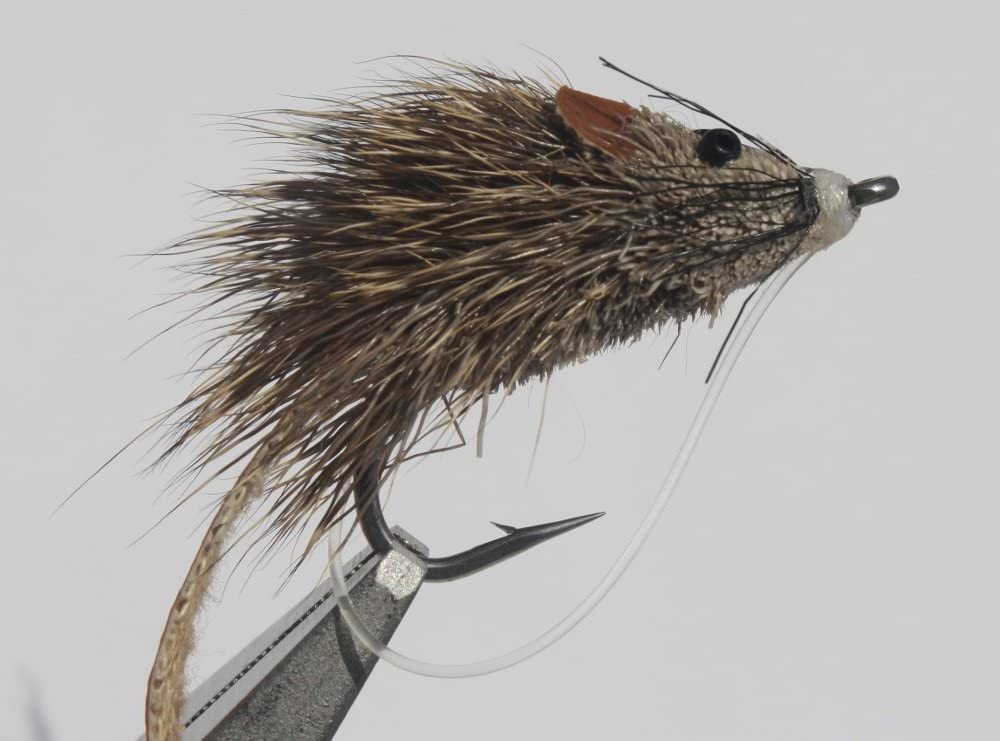
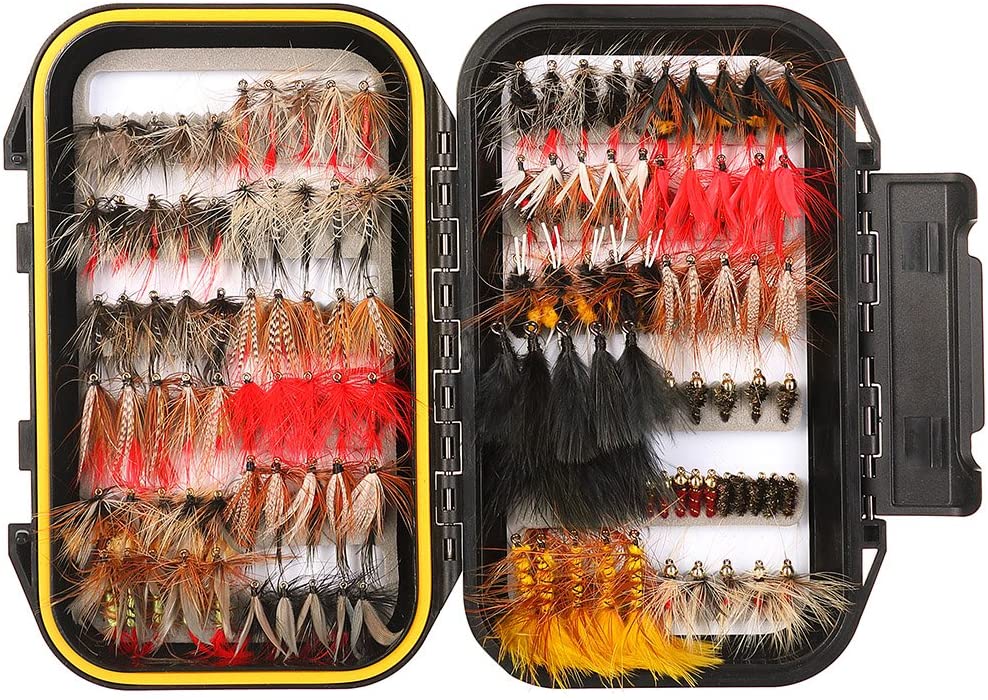
The special thing about the flies used in fly fishing is that they are light and mostly float on the surface. This is done in perfect imitation of the insects the fish prey upon. The flies usually resemble mayflies, caddies, ants, grasshoppers, or any other specific variety the particular fish likes.
The fly imitations are constructed out of various natural and artificial materials and are often very artistic. Most traditional flies are made out of feathers from pheasants, ducks, and many other birds. Fur or hair from animals like muskrats, elk, deer, and moose are also utilized often.
Modern-day flies mostly use synthetic materials. Lightweights are added to the flies with the incorporation of brass, glass, and tungsten beads. Ribbing materials like tinsels and wires are also commonly used.
It may be impossible to count the total number of fly designs. All of them are however divided into three prominent types.
Dry flies are the most common variety. The fish is enticed by the natural appearance of this fly and steps forward to consume it. A dry fly appears like a fly or a bug sitting on the water’s surface. This is also how fishes consume flies naturally so when carefully used, it always works. This is exactly what adds thrill to your fishing expedition.
Some flies are made to appear like nymphs. They float just below the surface of the water and mimic the natural nymphs the fish consume. One must know in advance which fish is a fan of this water invertebrate and serve them just that.
Streamers are flies built in imitation of small fish or leeches that some fish may naturally feed on. The decision to use a particular fly is directed by the condition of the water body, the location, and the preferences of the target fish.
Fly Fishing Requires Special Equipment
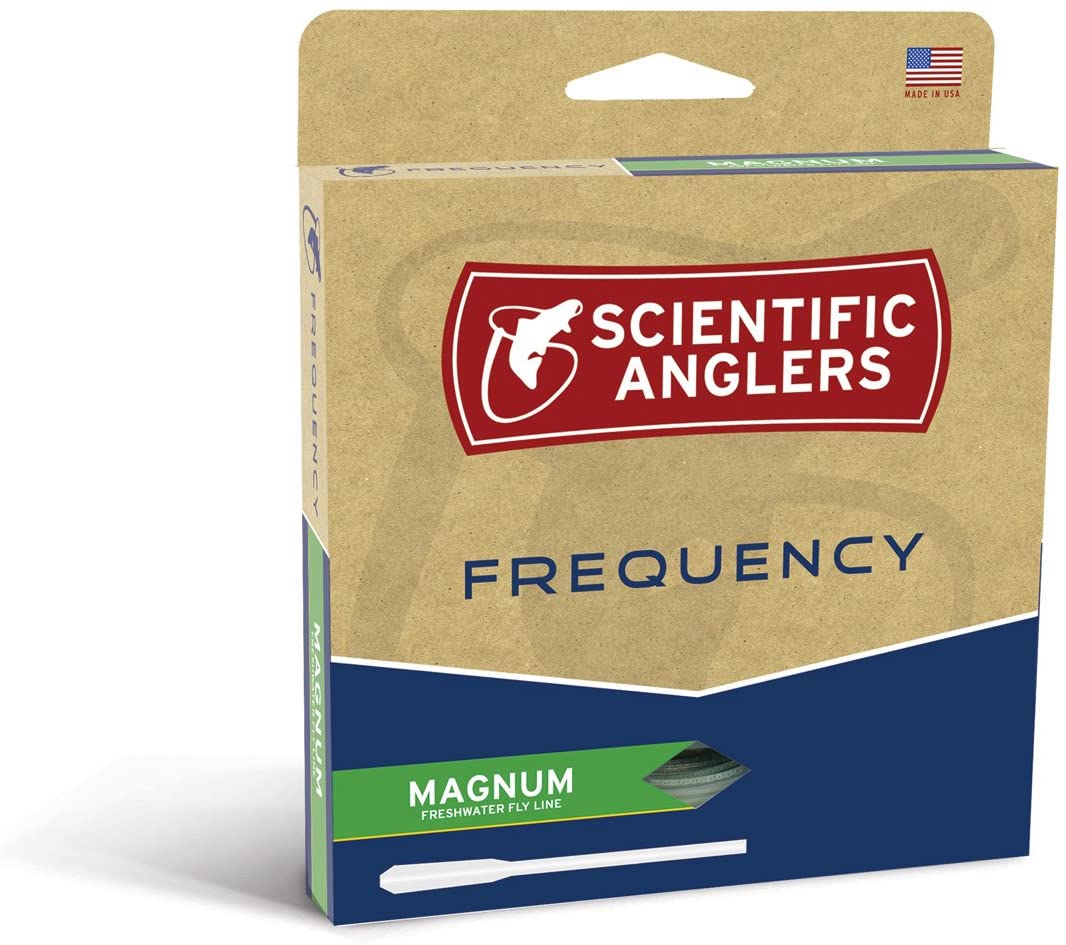
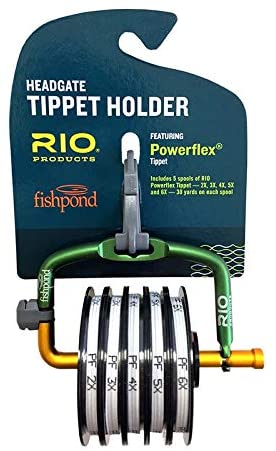
The casting line serves as the weight in fly fishing. Unlike traditional lines, it is heavy and is responsible for the maximum momentum while throwing the cast. Other special equipment present along with the heavy casting line includes the backing, the leader, and the tippet.
The backing refers to the extra length behind the fly line that will come in handy when the fish runs some extra distance in a larger water body. It is supposed to have your back in large pools, lakes, and the ocean.
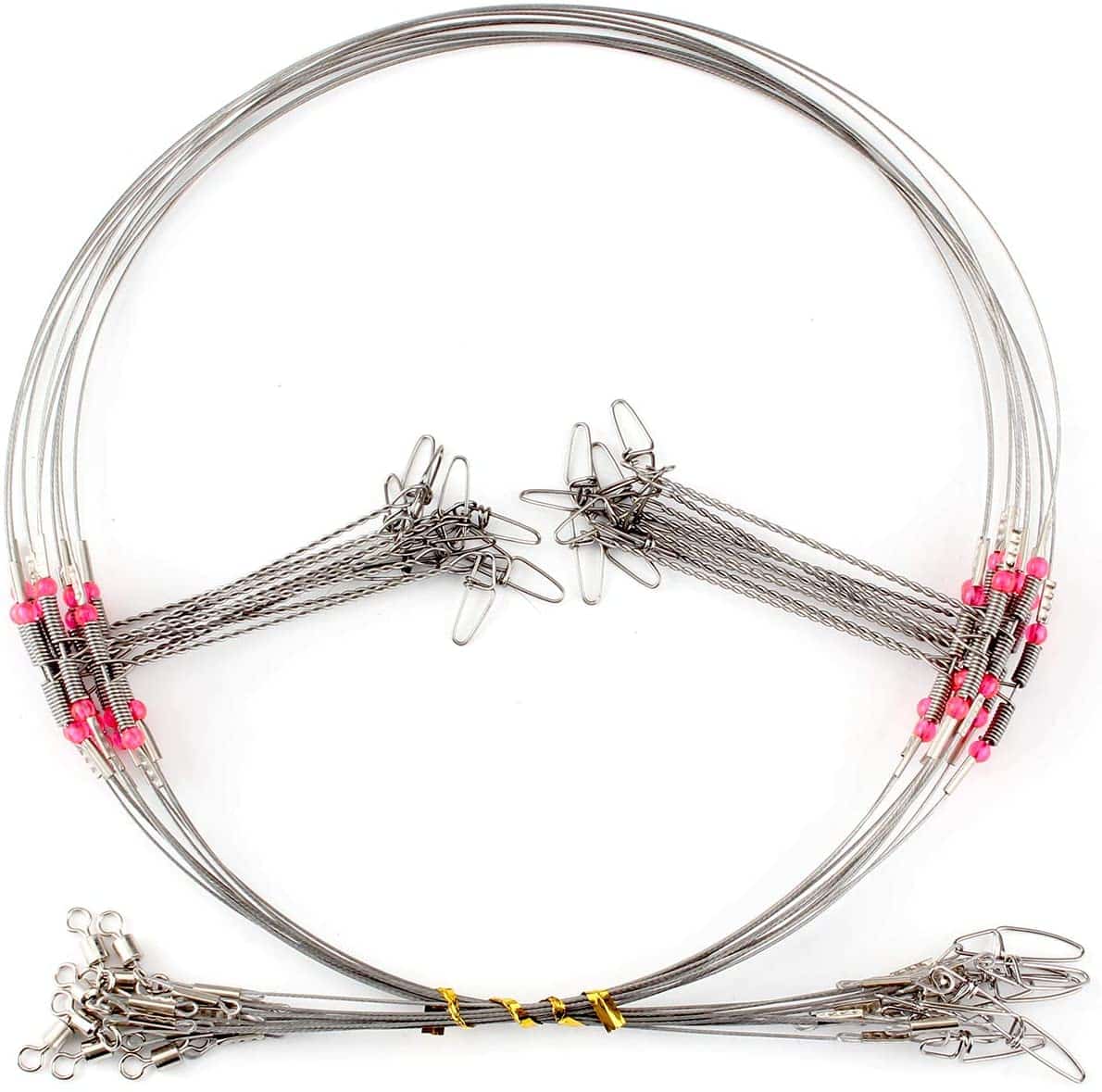
The purpose of the leader and the tippet is to present the fly carefully so that no suspicion is aroused in the fish. A doubtful fish will flee immediately and make all the surrounding fish scatter. The equipment will prevent this by adding more than the required patience to your fly fishing experience.
The Fly Rod and Fly Reel are Nothing Like the Ordinary
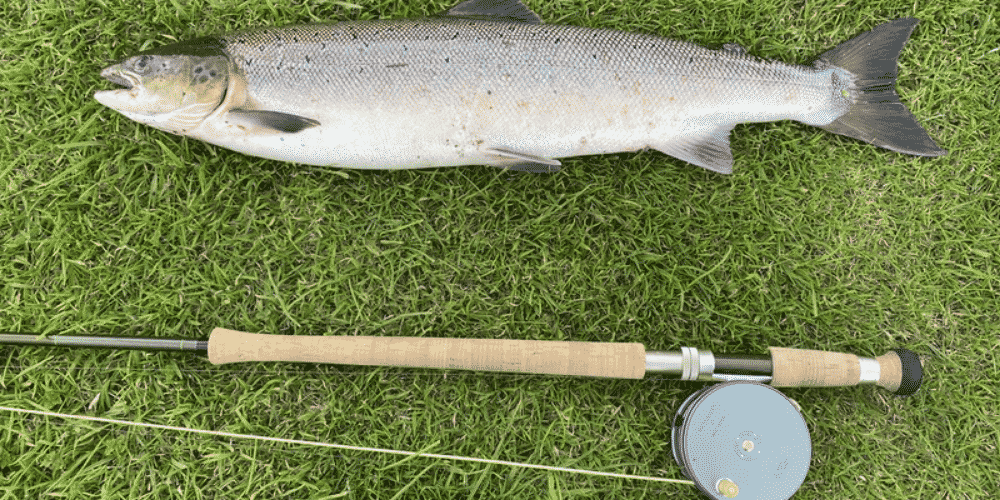
The rods used for fly fishing are very much unlike those used in other fishing techniques. Travel fly rods are usually made of graphite and are very light in weight. Their length is longer than average fishing poles and is usually around 9 feet.
The extra flexibility of fly rods accounts for their need to bend when the cast is thrown at a large distance. The flexible rod also helps in presenting the fly more stealthily and naturally.
A fly reel is quite different from normal fishing reels. The traditional fishing poles harbor a closed reel. The main hand is usually placed behind the reel here. Whereas in fly fishing, the main hand is placed in front of the reel.
Fly fishing is relatively cheap in comparison to other outdoor activities. The fly fishing equipment is a one-time investment and often doesn’t need replacement throughout one’s lifetime. You can check out the 10 best fly fishing reels under 100 if you are looking for a new reel to get started. The fish is simply meant for excellent anglers and their hooks.
Fly fishing Has a Slightly Complicated Casting Method
Fly fishing is testimony to the idea that good fishermen make it look easy. The artistic motion with which the arm is moved to propagate the fly line is nothing short of magic. Such delicate movements require the most skill and practice.
However, it is well known that beginners need to learn the art with a lot of effort before they can execute this art perfectly.
It is important that someone teaches you and that you put tremendous effort into learning. There is no one perfect method to throw a fly cast. There are numerous. And it takes many mistakes to attain perfection in each of them.
There is a whole set of terminology that goes into a successful cast. This includes presentation, monofilament, strike, indicator, setting the hook, leader, tippet, and riffle.
Frankly, it is not possible to learn such a delicate article through a nice Google article. Skills like this require much more than that.
Your First Step Should Be to Enroll in a Fly Fishing Class
It is not difficult to find a good fly fishing class in America. For the love of fishing, many new and old anglers offer valuable lessons for this hunting meditation.
Your ideal low-cost fly fishing lessons could be just around the corner. It may be a sporting goods store, a renowned fly fishing shop, or a community college.
Some of the best fly fishing lessons in America are offered by Orvis. They start by imparting your theoretical knowledge about the subject and then lead on to practical instructions covering all aspects of fly lines, flies, knots, and casting. Your well-imagined perfectionism as a fly fisherman begins here.
Go on a Fly Fishing Expedition to Know Actually ‘What is Fly Fishing?’
Once you are confident about the tacts you’ve learned in class, take them out in the open and show them to the fishes. For this, you can hire a guide to take you on a half or full-day fly fishing expedition.
You will learn a lot in the classroom setting. But the real hunting lessons are gained in the wild. Being in the stream and making the effort is a different thing altogether. Hiring a guide will make it possible for you to learn better and faster.
Attain Perfection in Tying Your Knots and Casting
You need to perfect certain things at home before heading out on the water. Put work into making the perfect knots. Each step in fly fishing involves delicacy and attention to detail. You must learn to tie your fly deftly to the line.
Experienced anglers take less than 30 seconds to make perfect knots. Trust me, you want to learn this art well as you wouldn’t want to let an expensive fly go in the water alone.
If your house has enough space, you can also practice casting at home. You’d want to go for an actual fly fishing expedition when the required skills have been mastered at home.
Start Exploring Your Talent in the Lakes
Fly fishing in the streams is popular amongst anglers. But it is advisable for beginners to start in the lakes. This is because fly fishing is all about enticing the fish with flies that look like their natural food.
The angler needs to place the fly in a way that doesn’t make the fish suspicious. For this purpose, Stillwater fishing will prove to be more helpful for beginners.
Anglers have to continuously pay attention to their fly and line. It is also important to differentiate whether the fly and the line are drifting due to the water current or because of the fish underneath. All these skill sets are adequately learned in still water.
Why Should You Must Go Fly Fishing?
Fly Fishing is a Calming and Meditative Experience
For one reason, you must go fly fishing because there is no other way of feeling one with water. Your entire focus is concentrated on catching the fish. And to do so, your body movements follow the command of the water flow.
As calming and enthralling streams always are, fly fishing is the ultimate yoga posture. It is truly the one final medicine to attain zen in the blues.
Fly Fishing Offers a Full-Body Workout
Have you ever thought of working out on the rocky riverbed? Well, now you must. Amidst the fresh breeze and the bumpy water tread, pumping up your muscles would only relax your head.
There is nothing like losing the sense of time while focussing on the fish and getting to know you’ve developed drool-worthy biceps in the process. Experienced anglers are often found wading upstream while battling the water current. There’s no other way you get a core like that.
This Sport is More Than a Past-Time. It Involves Attention and Tactics.
Fly fishing involves the use of knowledge of the natural lifestyle of the target fish. You follow the trails and pretend to offer everything the fish is naturally inclined to.
The better the fish is fooled, the faster it gets caught. A perfect angler is essentially a player in the fish world. And then there are so many fish in the sea; if you get the pun.
If the fishing enthusiast in you only needed a push, this is it.
References and Further Reading